

Dental prostheses: Comfort, aesthetics and functionality
Welcome to Cabinet dentaire À Thônex
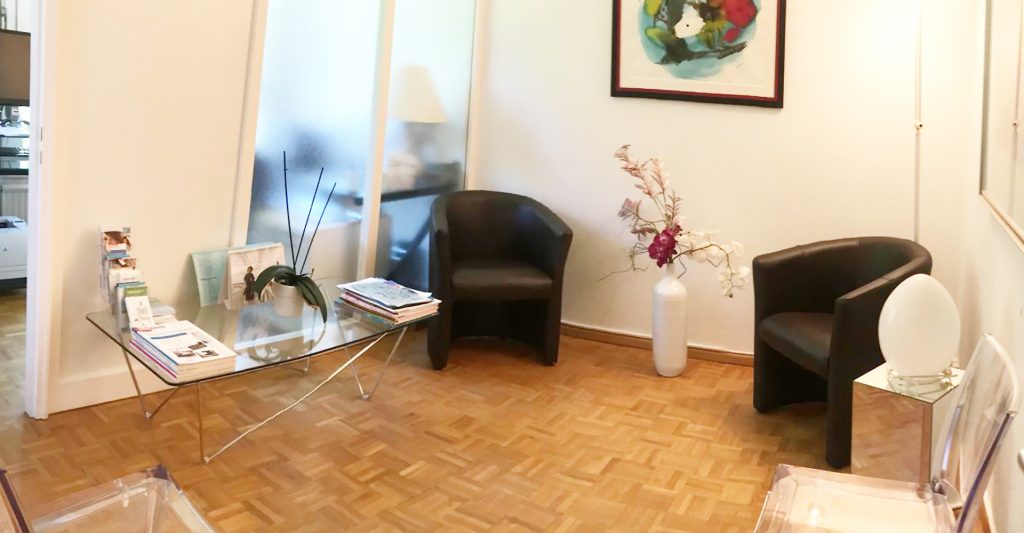
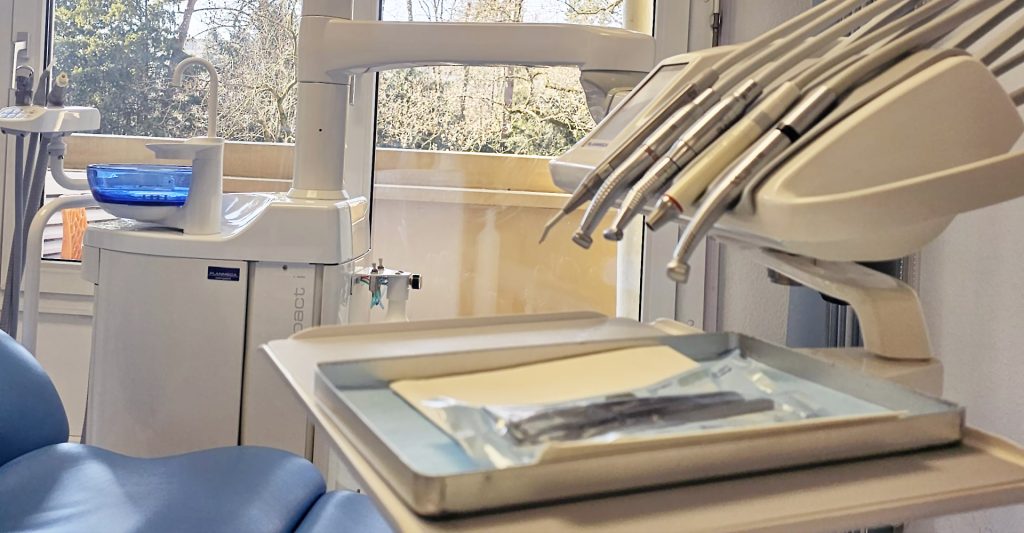
For a radiant smile and to take your mind off your dental worries, come to the Cabinet dentaire in Thônex, where you'll be at the center of our concerns. Our practice is modern and equipped with the latest technology to perform all the usual dental treatments, and you'll receive a warm welcome. For a radiant smile and to take your mind off your dental worries, come to the Cabinet dentaire in Thônex, where you'll be at the center of our concerns. Our practice is modern and equipped with the latest technology to carry out all the usual dental treatments, where you'll receive a warm welcome.
Welcome to Cabinet dentaire À Thônex
For a radiant smile and to take your mind off your dental worries, come to the Cabinet dentaire in Thônex, where you'll be at the center of our concerns. Our practice is modern and equipped with the latest technology to perform all the usual dental treatments, and you'll receive a warm welcome. For a radiant smile and to take your mind off your dental worries, come to the Cabinet dentaire in Thônex, where you'll be at the center of our concerns. Our practice is modern and equipped with the latest technology to carry out all the usual dental treatments, where you'll receive a warm welcome.
Why opt for dentures?
Tooth loss can have consequences far beyond the aesthetic. It affects chewing, speech and even the structure of the face, by altering the balance of the jawbone. With the right dental prosthesis, not only can a harmonious smile be restored, but also a better quality of life on a day-to-day basis.
At Cabinet Dentaire de Thônex, we offer modern, personalized solutions for both removable and fixed prostheses. Thanks to technological advances such as 3D digitization (CAD/CAM ) and the use of biocompatible materials, we guarantee a precise fit, optimum comfort and a natural look.
What are dentures?
A dental prosthesis is a structure designed to replace one or more missing teeth. They can be removable (to be taken out for cleaning) or fixed (sealed or permanently screwed in). Depending on your situation and needs, different options are available.
Which prosthesis is right for you?
Today, there are several types of prosthesis to suit every need. Here’s an overview of the main solutions available.
Complete prosthesis (denture) – Replacing all the teeth in a dental arch
When there are no natural teeth left in the jaw, a full denture is an effective solution. It rests on the gums and is held in place by natural suction and the salivary film in the mouth.
✔ Stability: Good adaptation to the gingiva guarantees an effective hold.
✔ Economical solution: More affordable alternative to dental implants.
✔ Modern materials: Lighter and more comfortable than before.
Modern complete prostheses offer greater comfort and enable people to eat normally, without fear of awkward displacement.
Partial dentures – A solution for missing teeth
If some natural teeth are still present, a partial denture fills the gaps while preserving the existing structure. It is attached to the remaining teeth using a variety of systems:
- Metal frame prosthesis: Solid structure with metal clasps resting on natural teeth.
- Telescopic prosthesis: Uses a double-crown system for greater stability.
- Prosthesis with invisible attachments (precision attachment type): More discreet attachment, with no visible metal hooks.
This solution is evolutionary, meaning that if new teeth are lost, the prosthesis can be adapted without the need for a complete replacement.
Implant-supported prosthesis - Optimum stability
Implant-supported prosthetics are now one of the most effective solutions for replacing several teeth with maximum comfort and stability. Dental implants, which act like artificial roots, provide solid anchorage.
Two options are available:
- Fixed prosthesis: Screwed or cemented onto implants, it cannot be removed and functions like natural teeth.
- Removable prosthesis on implants: Clips onto implants and can be removed for daily hygiene.
The advantages of an implant-supported prosthesis:
✔ No glue required, no slippage or discomfort.
✔ Preservation of jawbone, unlike conventional prostheses.
✔ Optimized mastication: allows unrestricted eating.
During your consultation at the Cabinet Dentaire de Thônex, we will assess the most appropriate solution for you.
3D technology and computer-aided design (CAD/CAM)
Thanks to digital technology, we can design prostheses with unrivalled precision. The 3D intraoral scanner replaces traditional impressions, making the process more comfortable for the patient.
The benefits of CAD/CAM:
✔ Perfect fit: Ultra-precise design for maximum comfort.
✔ Fast fabrication: Reduced waiting time for the final prosthesis.
✔ Improved aesthetics: High-quality materials such as ceramic or zirconium for a natural look.
How are dentures fitted?
The process is carried out in several stages, to guarantee optimum results:
- Consultation and diagnosis: Assessment of the oral situation and selection of the best solution.
- Digital impression or conventional molding: Creation of a precise model of the jaw.
- Functional and esthetic assessment: Testing of tooth position and occlusion.
- Fitting a prototype: Checking comfort and necessary adjustments.
- Manufacture and installation: Final adjustment and care advice.
Regular follow-up is recommended to ensure that the prosthesis remains in place and is comfortable to wear.
How do I care for my dentures?
Good hygiene helps to prolong the life of a prosthesis and preserve the health of oral tissues.
🦷 Daily cleaning: Use special brushes and appropriate solutions.
🦷 Gum care: Massage the mucous membranes and maintain good oral hygiene.
🦷 Regular check-ups: Professional examination at the Cabinet Dentaire de Thônex to check the condition of the prosthesis and surrounding tissues.
Alternatives to dentures: Crowns, bridges and veneers
If tooth loss is limited, other solutions are available:
Dental crowns: Restore a weakened tooth by covering it completely.
Dental bridges: Replace one or more missing teeth by resting on neighboring teeth.
Dental veneers: Thin ceramic shells to improve the aesthetics of visible teeth.
During a Smile Makeover, we combine several treatments to optimize the aesthetics and functionality of your smile.
Why choose Cabinet Dentaire de Thônex for your prosthesis?
Expertise and personalized support: Customized solutions for every patient.
✔ Cutting-edge technologies: Intraoral scanner, CAD/CAM and 3D radiology.
✔ High-quality materials: Ceramic, zirconium and biocompatible solutions.
✔ Regular follow-up: Checks and adjustments to ensure optimum comfort.
Put a smile on your face with a customized solution!
Do you have any questions about dentures and the various options available? We’ll be happy to advise and support you. Your team at Cabinet Dentaire de Thônex.
FAQ - Everything you need to know about dentures
When should a dental prosthesis be considered?
When should a dental prosthesis be considered?
A dental prosthesis is necessary when several teeth, or even the entire dentition, are missing, and their replacement is essential to restore efficient masticatory function, good speech and natural aesthetics. Missing teeth can lead to jaw imbalances, changes in facial features and progressive resorption of the jawbone. It is therefore advisable not to wait too long before considering a solution adapted to your situation.
What's the difference between a removable and a fixed prosthesis?
What's the difference between a removable and a fixed prosthesis?
A removable prosthesis is designed to be removed daily for cleaning. It usually rests on the gums and can be stabilized with clasps or special attachment systems. It is often preferred when several teeth are missing and a bridge or implants are not an option.
In contrast, a fixed prosthesis is permanently cemented or screwed onto natural teeth or implants. They feel more like natural teeth and are more stable. However, its use depends on the quality of the bone and the number of remaining teeth.
How comfortable are dentures?
How comfortable are dentures?
A well-fitting prosthesis is designed to be comfortable and functional. However, it is normal to experience a period of adaptation after fitting. Patients may experience slight discomfort for the first few days, as the tongue, muscles and mucous membranes adjust to the new prosthesis. Adjustments may be necessary to ensure optimal comfort and avoid irritation. In the event of excessive pressure or persistent pain, it is advisable to consult your dentist for precise adjustment.
Do dentures affect speech?
Do dentures affect speech?
In the first few days after fitting a prosthesis, you may experience slight discomfort when speaking, particularly with certain sounds. This is due to the presence of a new element in the mouth, requiring adaptation of the tongue and mouth muscles. Generally speaking, this adaptation takes place quickly, and a few diction exercises can speed up the process.
Do prostheses allow you to eat normally?
Do prostheses allow you to eat normally?
Once the adaptation period is over, a dental prosthesis will enable you to chew efficiently again. However, it is advisable to start with soft foods, and to cut pieces into smaller portions at first. For removable dentures, extra care is needed with very hard or sticky foods, which could compromise denture stability. Implant-supported prostheses, on the other hand, offer a chewing capacity closer to that of natural teeth, enabling unrestricted eating.
Does a dental prosthesis prevent bone resorption?
Does a dental prosthesis prevent bone resorption?
Conventional gum-only prostheses do not slow bone resorption, which can occur naturally after tooth loss. Implant-supported prostheses, on the other hand, stimulate the bone in the same way as natural roots, thus preserving bone structure and preventing the progressive loss of jaw volume.
How long does a denture last?
How long does a denture last?
The lifespan of a denture depends on a number of factors, including the materials used, eating habits and daily maintenance. On average, a removable prosthesis lasts between 5 and 10 years, while a fixed implant-supported prosthesis can last several decades with proper maintenance. It is important to have regular check-ups with your dentist to verify the condition of the prosthesis and adapt care if necessary.
How do I care for my dentures?
How do I care for my dentures?
Daily maintenance is essential to preserve the prosthesis and oral health. Removable dentures should be cleaned after every meal, using a special brush and a non-abrasive product. They should not be worn at night, to allow the oral tissues to rest. For fixed dentures, careful brushing and the use of dental floss or interdental brushes help prevent plaque build-up. Regular scaling is also recommended to avoid calcareous deposits that could damage the prosthesis and surrounding gums.