

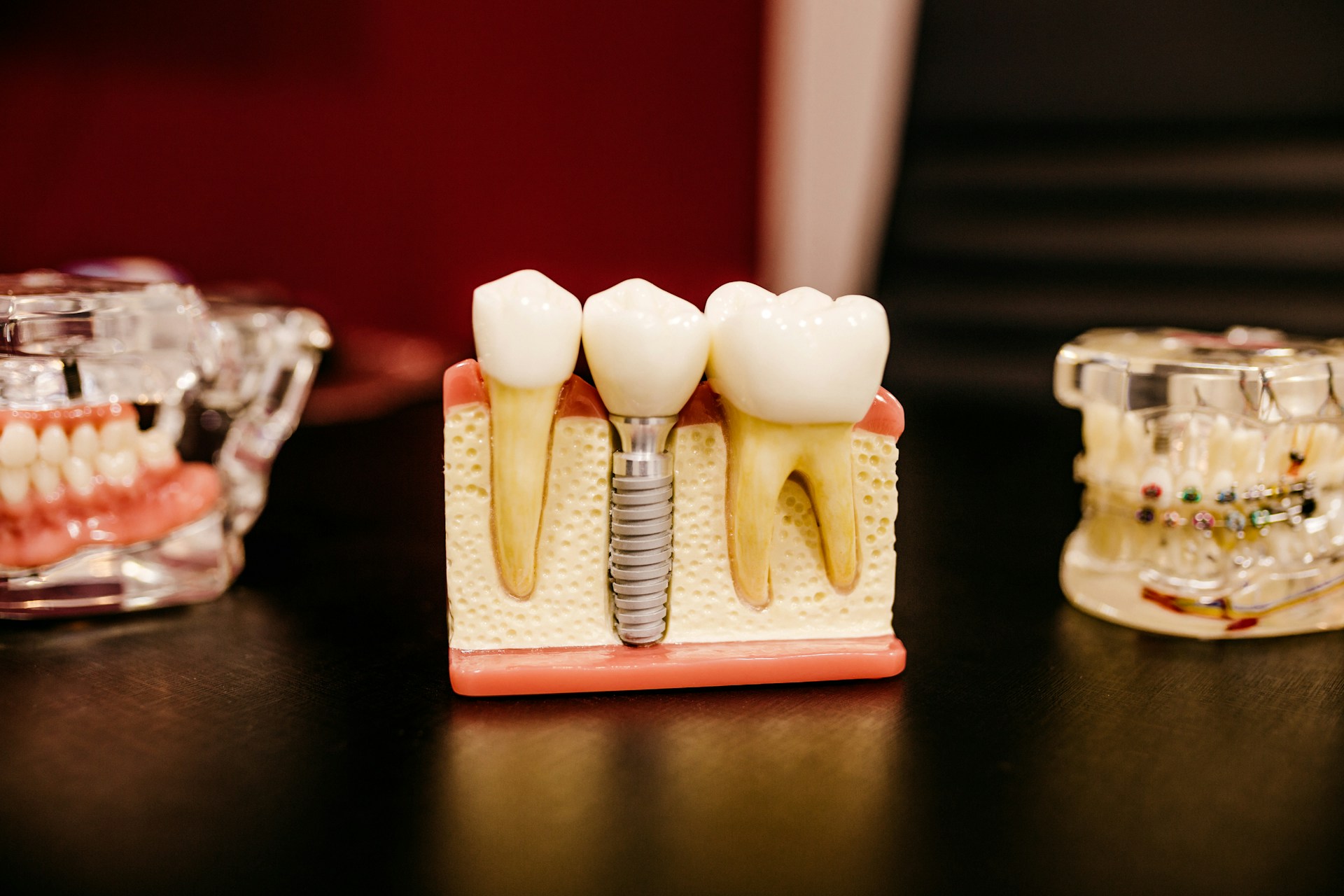
Dental Implants - A Durable Option for Replacing Your Teeth
Welcome to Cabinet dentaire À Thônex
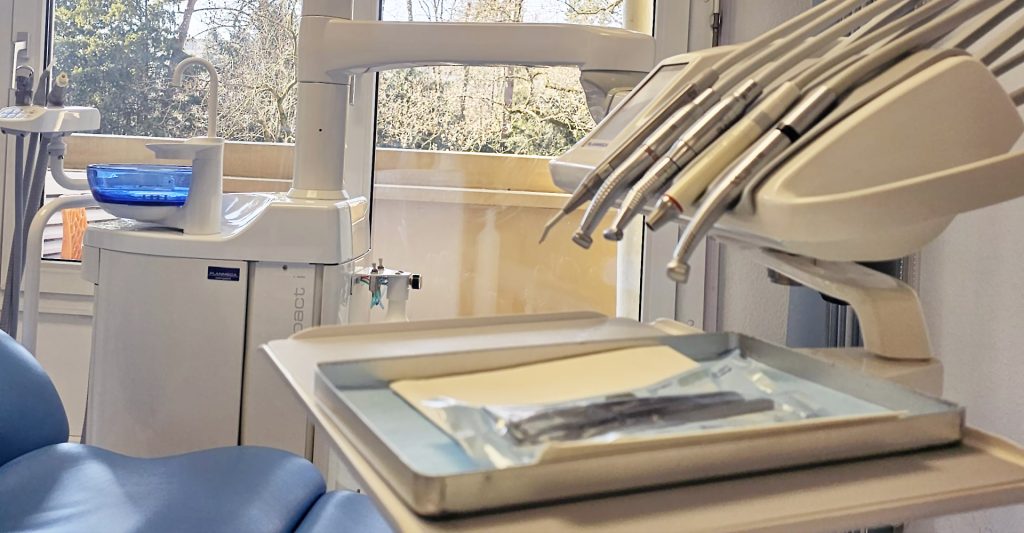
For a radiant smile and to take your mind off your dental worries, come to the Cabinet dentaire in Thônex, where you'll be at the center of our concerns. Our practice is modern and equipped with the latest technology to perform all the usual dental treatments, and you'll receive a warm welcome. For a radiant smile and to take your mind off your dental worries, come to the Cabinet dentaire in Thônex, where you'll be at the center of our concerns. Our practice is modern and equipped with the latest technology to carry out all the usual dental treatments, where you'll receive a warm welcome.

Welcome to Cabinet dentaire À Thônex
For a radiant smile and to take your mind off your dental worries, come to the Cabinet dentaire in Thônex, where you'll be at the center of our concerns. Our practice is modern and equipped with the latest technology to perform all the usual dental treatments, and you'll receive a warm welcome. For a radiant smile and to take your mind off your dental worries, come to the Cabinet dentaire in Thônex, where you'll be at the center of our concerns. Our practice is modern and equipped with the latest technology to carry out all the usual dental treatments, where you'll receive a warm welcome.
Restore your dental comfort with our expertise
We know how the loss of a tooth can affect your daily life. Perhaps you avoid certain foods, or feel discomfort when speaking. This can affect mastication, speech and overall oral health. At Cabinet Dentaire de Thônex, we understand your concerns. That’s why we’re with you every step of the way to a reliable dental replacement: the dental implant.
Imagine regaining the functionality and comfort of a full set of teeth, without pain or dietary restrictions. Thanks to our personalized approach and advanced technologies, this is possible.
Why choose dental implants?
Our dental implants are designed to last, preventing the bone loss common after tooth loss. They restore mastication and offer a natural aesthetic result. Unlike removable dentures or bridges, implants preserve the integrity of adjacent teeth, without the need for modification.
Who can benefit from dental implants?
Dental implants are suitable for people who:
- Have lost one or more teeth.
- Prefer to avoid removable prostheses.
- Have sufficient bone density.
- Looking for a fixed, long-term replacement.
- No major contraindications (e.g. certain uncontrolled chronic diseases, excessive smoking).
During your initial consultation, we’ll analyze your needs together to determine the best approach.
Types of dental implants
Titanium is used for endosseous implants because of its biocompatibility, guaranteeing stable integration into the bone.
Possible options:
- Endosseous implants: inserted directly into the jawbone, these implants provide a solid anchorage for crowns or bridges. They offer a durable solution, ideal for replacing one or more missing teeth.
- Subperiosteal implants: Placed below the gum line but above the bone, they are recommended when bone density is insufficient. This option avoids the need for bone grafting, while offering functional stability.
- Mini-implants: Thinner than traditional implants, they are used primarily to stabilize partial dentures. Their placement is less invasive, allowing faster recovery.
Treatment steps
Initial assessment: Clinical analysis and 3D scan.
Implant placement: Insertion under local anaesthetic.
Healing: 3 to 6 months for bone integration.
Installing the prosthesis: Fixing the crown, bridge or custom-made prosthesis.
Follow-up: Regular check-ups to ensure treatment success.
Bone filling: when is it necessary?
If bone density is insufficient, bone filling is required. Healing generally takes between 3 and 9 months, depending on the technique used.
Suggested techniques:
- Autologous grafting: This technique involves taking bone from another part of your body, usually the jaw or hip, and grafting it into the area requiring reinforcement. It guarantees excellent biological compatibility and promotes optimal healing.
- Bone substitutes: Biocompatible materials, such as special ceramics or synthetic biomaterials, are used to fill bone deficits. This method avoids the need for bone harvesting and offers an effective solution for restoring the required bone volume.
Sinus lift: Specific to the upper jaw, this procedure raises the sinus membrane to create a space where bone material is inserted. It increases bone height and enables implant placement in areas where this would otherwise have been impossible.
Why choose our firm?
- Advanced 3D technology for greater precision.
- Treatment tailored to your needs.
- High-quality materials guarantee durability.
- Complete follow-up before, during and after the procedure.
- Human support every step of the way.
Contact us today to schedule your consultation at Cabinet Dentaire de Thônex.
FAQ
How long does a dental implant last?
How long does a dental implant last?
The life of an implant can exceed 20 years, or even be permanent, if rigorous maintenance is observed. This includes good oral hygiene, regular dental check-ups and the absence of risk factors such as smoking.
Is placing an implant painful?
Is placing an implant painful?
Placement is performed under local anaesthetic, making the procedure painless. After the procedure, slight pain or swelling may occur, but this is generally well controlled by prescribed painkillers. Our specialists at Cabinet Dentaire de Thônex ensure your comfort every step of the way.
What foods should be avoided after implant surgery?
What foods should be avoided after implant surgery?
In the first few days after installation:
- Avoid hard or crunchy foods that could irritate the operated area.
- Choose soft foods such as soup, purée and yoghurt.
- Avoid very hot drinks and alcohol.
- You can drink or eat at room temperature (soup, caffe).
- Not pungent or acidic foods
These precautions ensure optimal healing.
What's the difference between an implant and a bridge?
What's the difference between an implant and a bridge?
A dental implant directly replaces the root of a missing tooth, without touching the adjacent teeth. A bridge, on the other hand, often requires the size of neighboring teeth for support. The implant is therefore more respectful of your natural dentition.
What are the risks associated with dental implants?
What are the risks associated with dental implants?
Although rare, certain risks do exist:
- Implant site infections.
- Nerve damage resulting in temporary numbness.
- Failure of osseointegration, requiring further intervention.
We minimize these risks through rigorous monitoring and the use of advanced techniques.
How long should I wait before returning to work?
How long should I wait before returning to work?
Most patients resume their activities the very next day. However, in the case of bone grafting or more complex procedures, additional rest time may be required. We will provide you with personalized recommendations based on your individual case.
Do dental implants require special care?
Do dental implants require special care?
Yes, although implants are designed to last, proper maintenance is essential. You need to maintain rigorous oral hygiene with regular brushing, flossing and annual visits to the dentist. Professional scaling is also recommended to avoid peri-implant infections.
How long does the entire procedure take, from diagnosis to final installation?
How long does the entire procedure take, from diagnosis to final installation?
The total duration of treatment varies from patient to patient. In general, it takes between 3 and 9 months from initial consultation to final prosthesis placement. This includes healing after implant placement (osseointegration) and, if necessary, recovery time after bone filling. Each stage is carefully planned to ensure optimal results.