
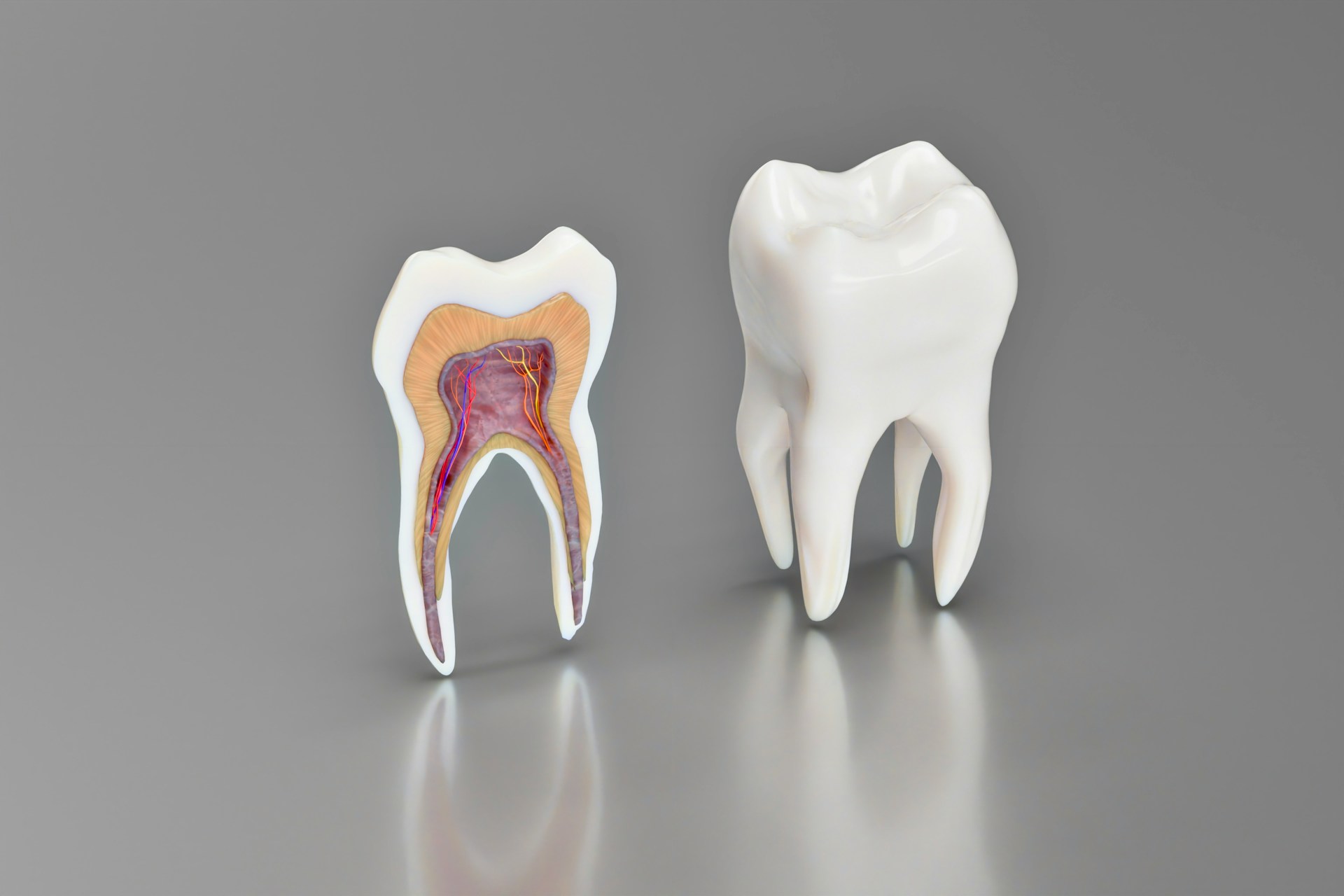
Wisdom teeth extraction - A safe and routine procedure
Welcome to Cabinet dentaire À Thônex
For a radiant smile and to take your mind off your dental worries, come to the Cabinet dentaire in Thônex, where you'll be at the center of our concerns. Our practice is modern and equipped with the latest technology to perform all the usual dental treatments, and you'll receive a warm welcome. For a radiant smile and to take your mind off your dental worries, come to the Cabinet dentaire in Thônex, where you'll be at the center of our concerns. Our practice is modern and equipped with the latest technology to carry out all the usual dental treatments, where you'll receive a warm welcome.
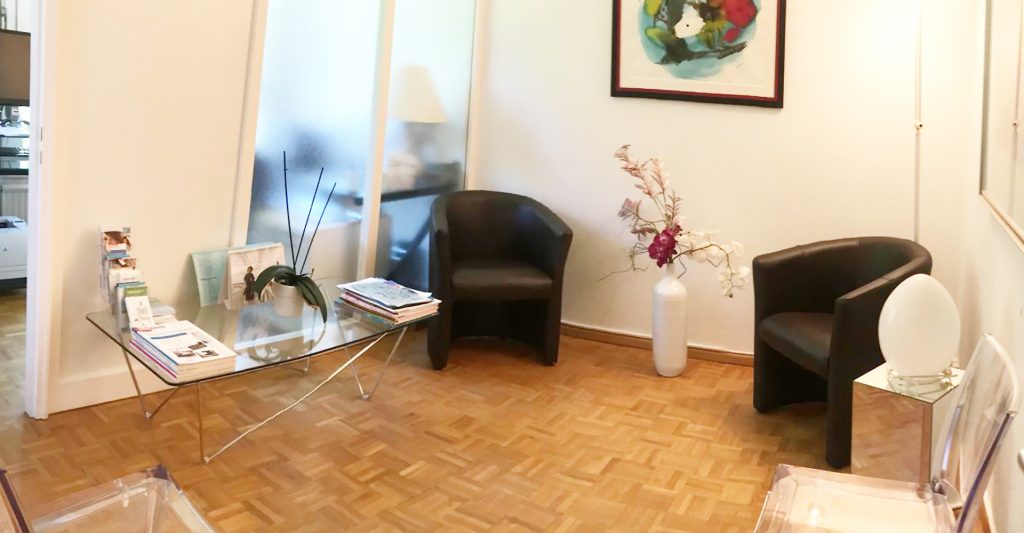
Welcome to Cabinet dentaire À Thônex
For a radiant smile and to take your mind off your dental worries, come to the Cabinet dentaire in Thônex, where you'll be at the center of our concerns. Our practice is modern and equipped with the latest technology to perform all the usual dental treatments, and you'll receive a warm welcome. For a radiant smile and to take your mind off your dental worries, come to the Cabinet dentaire in Thônex, where you'll be at the center of our concerns. Our practice is modern and equipped with the latest technology to carry out all the usual dental treatments, where you'll receive a warm welcome.
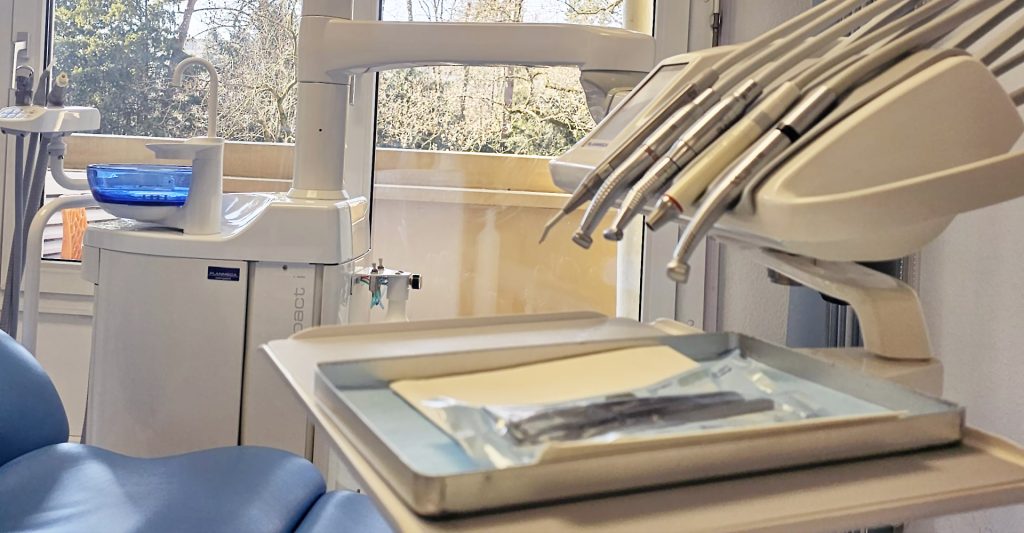
Why extract wisdom teeth?
Wisdom teeth, located at the back of the mouth, generally appear between the ages of 17 and 25. In some cases, they grow properly and require no treatment. However, they can often pose a variety of problems, including a lack of space, slanted growth or inclusion below the gum line. These situations can lead to pain, infection, inflammation and even orthodontic complications.
Wisdom teeth extraction is a common dental surgical procedure to prevent these inconveniences and ensure optimal oral health.
When should an extraction be considered?
Wisdom teeth extraction is recommended in the following cases:
🦷 Recurrent pain caused by inflammation of the gums around wisdom teeth.
🦷 Frequent infections such as abscesses or cysts due to partial growth.
🦷 Teeth embedded or partially erupted, creating areas that are difficult to clean and increase the risk of cavities.
🦷 Displacement of adjacent teeth, which can affect dental alignment.
🦷 Orthodontic prevention, particularly before or after aligner treatment.
A clinical assessment, accompanied by X-rays, is used to evaluate the position of the wisdom teeth and determine the need for extraction.
Anaesthesia: modern techniques for painless extraction
Before a tooth extraction, pain management is an absolute priority. Thanks to advances in dental anesthesia, the procedure is now virtually painless. The most common method is local anesthesia, administered directly at the gum line to numb the area. To enhance patient comfort, an anaesthetic spray can be applied beforehand to limit the stinging sensation.
Injection techniques have also evolved. Conventional manual injection allows progressive diffusion of the anesthetic, while electronically-assisted injection (DentaPen) offers gentler, more precise administration, reducing discomfort. In some cases, particularly for anxious patients, conscious sedation may be considered to ensure a more serene experience.
Procedure
🦷Consultation and diagnosis: A clinical and radiographic assessment is carried out to determine the need for extraction and to plan the procedure. 🦷 Anaesthesia: The most appropriate method is chosen to ensure optimal comfort throughout the procedure. 🦷 Extraction: Depending on the complexity of the case, extraction can be simple (teeth already out) or surgical (impacted teeth requiring an incision). 🦷 Sutures and post-operative care: In some cases, absorbable sutures are used to promote healing. 🦷 Follow-up and recovery: We provide you with personalized recommendations to promote rapid, uncomplicated healing.
Care after extraction: what to do?
The post-operative period is essential to ensure rapid, uncomplicated healing. To limit swelling and relieve pain, we recommend applying cold to the cheek for the first few hours after surgery. It is also crucial to avoid rinsing the mouth vigorously in the first 24 hours so as not to disturb the formation of the healing clot.
Diet must be adapted to the situation: give preference to soft, warm foods, avoiding anything too hot, spicy or difficult to chew. It’s also a good idea to avoid tobacco and alcohol, as these substances slow healing and increase the risk of infection. Finally, follow your dentist’s instructions regarding the use of painkillers for optimal recovery.
What risks and complications can arise?
Although wisdom teeth extraction is a common procedure, some complications may arise:
- Alveolitis sicca: poor healing due to loss of the protective clot, causing intense pain.
- Infection: persistent redness, swelling and pain, sometimes requiring antibiotic treatment.
- Nerve damage: Rare, may cause temporary numbness of the tongue or lower lip.
- Prolonged hemorrhage: Excessive bleeding that must be monitored and controlled.
These complications are rare and can be avoided with rigorous post-operative follow-up.
Why choose Cabinet Dentaire de Thônex for your extraction?
🦷 Experienced dental surgery team to ensure safe extractions.
🦷 Advanced anesthesia techniques for maximum comfort.
🦷 Personalized care with attentive post-operative follow-up.
🦷 Use of state-of-the-art equipment to minimize discomfort and speed recovery.
Need your wisdom teeth extracted? Make an appointment today!
Frequently asked questions
At what age is it recommended to extract wisdom teeth?
At what age is it recommended to extract wisdom teeth?
There’s no precise age, but the procedure is often easiest between the ages of 16 and 25, when the roots are not fully developed and the bone is more malleable. This allows faster recovery and reduces the risk of complications. A preventive check-up at the Cabinet Dentaire de Thônex helps determine the best time for extraction.
Is wisdom tooth extraction painful?
Is wisdom tooth extraction painful?
Thanks to modern techniques oflocal anesthesia and conscious sedation, the procedure is painless. After extraction, some discomfort may be felt, but this is well controlled with appropriate painkillers. Our specialists at Cabinet Dentaire de Thônex ensure that every patient enjoys optimum comfort.
How do I know if my wisdom teeth are a problem?
How do I know if my wisdom teeth are a problem?
There are certain warning signs:
- Pain or tension in the jaw, especially at the back.
- Swollen gums around wisdom teeth.
- Difficulty opening mouth or chewing properly.
- Frequent cavities and infections.
If you experience these symptoms, a consultation at the Cabinet Dentaire de Thônex is recommended to assess the situation.
What foods to choose after extraction?
What foods to choose after extraction?
After the operation, it is advisable to eat:
- Soft foods such as mashed potatoes, yoghurt and compotes.
- Warm dishes, neither too hot nor too cold.
- Hydrating drinks, but without a straw to avoid pressure on the wound.
Spicy, crunchy or overly acidic meals should be avoided to avoid irritating the anaesthetic zone.
Can all wisdom teeth be extracted at once?
Can all wisdom teeth be extracted at once?
Yes, this is often recommended to avoid several recovery periods. The procedure can be performed under local anaesthetic or light sedation, depending on the level of comfort required. Our specialists at Cabinet Dentaire de Thônex will help you decide which option is best for you.
How long does it take to heal?
How long does it take to heal?
Initial healing takes around 7 to 10 days, but it takes several weeks for the bone to reform completely. Good post-operative care and rigorous oral hygiene accelerate the process and prevent complications.
Is extraction always necessary?
Is extraction always necessary?
No, not all wisdom teeth need to be extracted. If they’re growing properly and causing no symptoms, regular monitoring is all that’s needed. At Cabinet Dentaire de Thônex, we carry out a thorough assessment before any decision is made to proceed.
Does extraction become more complicated with age?
Does extraction become more complicated with age?
Yes, after the age of 30, the roots of wisdom teeth are often more developed and anchored in the bone, making extraction more delicate and recovery slightly longer. This is why early diagnosis is recommended, as is the case at Cabinet Dentaire de Thônex.