

Caries treatment - Cabinet Dentaire
Welcome to Cabinet dentaire À Thônex
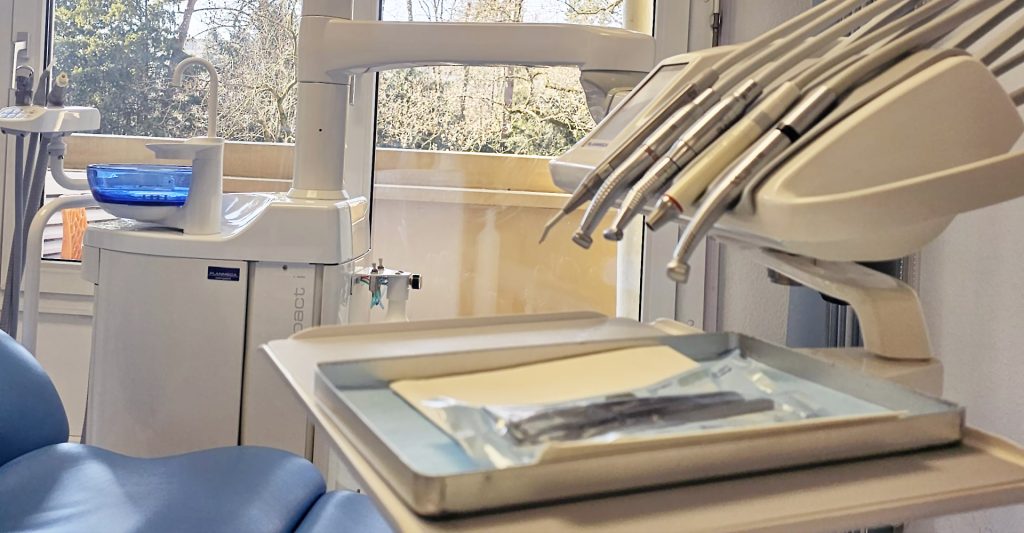
For a radiant smile and to take your mind off your dental worries, come to the Cabinet dentaire in Thônex, where you'll be at the center of our concerns. Our practice is modern and equipped with the latest technology to perform all the usual dental treatments, and you'll receive a warm welcome. For a radiant smile and to take your mind off your dental worries, come to the Cabinet dentaire in Thônex, where you'll be at the center of our concerns. Our practice is modern and equipped with the latest technology to carry out all the usual dental treatments, where you'll receive a warm welcome.

Welcome to Cabinet dentaire À Thônex
For a radiant smile and to take your mind off your dental worries, come to the Cabinet dentaire in Thônex, where you'll be at the center of our concerns. Our practice is modern and equipped with the latest technology to perform all the usual dental treatments, and you'll receive a warm welcome. For a radiant smile and to take your mind off your dental worries, come to the Cabinet dentaire in Thônex, where you'll be at the center of our concerns. Our practice is modern and equipped with the latest technology to carry out all the usual dental treatments, where you'll receive a warm welcome.
Caries treatment
Tooth decay is a common condition caused by the breakdown of tooth enamel. In our practice, we use modern, gentle methods to care for your teeth while preserving their natural structure.
Signs of decay
Cavities often begin inconspicuously. White or brown spots on the enamel indicate demineralization. Gradually, the tooth may become sensitive to temperature or sweet foods. If left untreated, decay progresses and can cause pain, bad breath or even abscesses. These symptoms require prompt intervention to avoid more complex treatments, such as a dental filling or more advanced restoration.
Symptoms to watch out for:
- Visible stains on the enamel.
- Increased sensitivity to heat, cold or sugar.
- Localized pain, sometimes spontaneous.
- Bad breath or signs of infection (swelling).
Do you have these symptoms?
Make an appointment now for a precise diagnosis and appropriate treatment.
Causes of cavities
Cavities form when bacteria on the teeth convert sugars into acids. These acids attack the enamel, causing cavities to form. If this bacterial plaque is not regularly removed, decay can progress to deeper layers of the tooth, requiring solutions such as a composite or ceramic inlay or a composite or ceramic onlay to restore the damaged tooth.
Factors that increase the risk of cavities:
- Diet rich in sugars, favoring bacterial proliferation.
- Irregular brushing or lack of fluoride to strengthen enamel.
- Insufficient salivary production, limiting acid neutralization.
- Genetic predisposition or inadequate care habits.
By identifying these factors and using modern tools such as oral scans, we can effectively detect and prevent cavities before they cause serious damage to your teeth.
Treatment options
Modern treatments can cure cavities while preserving the natural appearance of teeth. When decay is detected early, techniques such as remineralization with fluoride may suffice. If a cavity is present, a dental filling using an aesthetic dental composite offers a discreet solution.
For more complex cases, we offer precise restorations using advanced technologies such as 3D Diamantion or digital imaging. This enables us to design and fit 3D composite or ceramic inlays and onlays, offering optimum durability and esthetics.
Our customized solutions:
- Application of fluoride to strengthen enamel.
- Dental composites for filling light to moderate cavities.
- 3D inlays and onlays in composite or ceramic for long-lasting restorations.
- Root canal treatment for deep tooth damage.
Cavity prevention
Prevention is your best ally against cavities:
✔ Brush your teeth twice a day with a fluoride toothpaste.
✔ Use dental floss or interdental brushes.
✔ Perform regular scaling to remove plaque and tartar.
Our personalized advice:
During your consultation, we’ll help you improve your hygiene routine to keep your teeth in perfect health.
Make an appointment now!
Discover modern, personalized care with Dr. Yasen Nizamaldi.
→ Book your consultation for a healthy smile.
FAQ: Everything you need to know about cavities and their treatment
How fast can cavities form?
How fast can cavities form?
Cavities can develop in just a few months, especially if sugar-rich foods and drinks are frequently consumed, or if oral hygiene is inadequate. Bacteria transform sugars into acids, which attack enamel and cause rapid demineralization.
How can we prevent this?
- Adopt rigorous dental hygiene: brushing twice a day with fluoride toothpaste.
- Carry out regular professional cleaning.
See your dentist for regular check-ups to detect the first signs of decay.
Can a cavity form under a filling or crown?
Can a cavity form under a filling or crown?
Yes, decay can occur under a dental filling, crown or even an inlay or onlay, if bacteria enter cracks or gaps, often caused by aging or damaged restorations.
That’s why it’s essential to have the condition of dental restorations checked regularly. During these examinations, we use modern tools such as the oral scanner or 3D Diamantion technology to detect anomalies with precision.
Can I detect a cavity myself?
Can I detect a cavity myself?
The first signs of tooth decay may be subtle, but some symptoms are recognizable:
- White or brown stains on tooth surfaces.
- Increased sensitivity to hot, cold or sweet foods or beverages.
- Localized pain or discomfort when chewing.
If you notice any of these signs, consult your dentist as soon as possible. The earlier a cavity is treated, the less invasive and costly the treatment will be.
What's the difference between an inlay and an onlay?
What's the difference between an inlay and an onlay?
Inlays and onlays are custom-made dental restorations designed to repair damaged or decayed parts of a tooth.
The main differences:
- Inlay: This is used to fill a cavity within the contours of the tooth, between the cusps. It is ideal for medium-sized cavities and is made of composite or ceramic, for perfect integration with natural teeth.
- Onlay: This covers a larger surface area, including one or more cusps. It’s an ideal alternative when damage is too extensive for an inlay, but a full crown is not required.
These restorations are created using advanced technologies, such as 3D Inlay and Onlay, which guarantee optimum precision and durability. They are also aesthetically pleasing, perfectly matching the natural shade of your teeth.
These answers in a nutshell:
- Speed of formation: Cavities can appear quickly, in just a few months, if hygiene is inadequate.
- Caries under a restoration: Bacteria can infiltrate under a filling or crown. Regular checks are essential.
- Personal detection: Symptoms include staining, sensitivity or pain. Consult your dentist at the first sign.
- Inlay vs. Onlay: Inlays repair internal cavities; onlays cover larger areas while preserving tooth structure.