
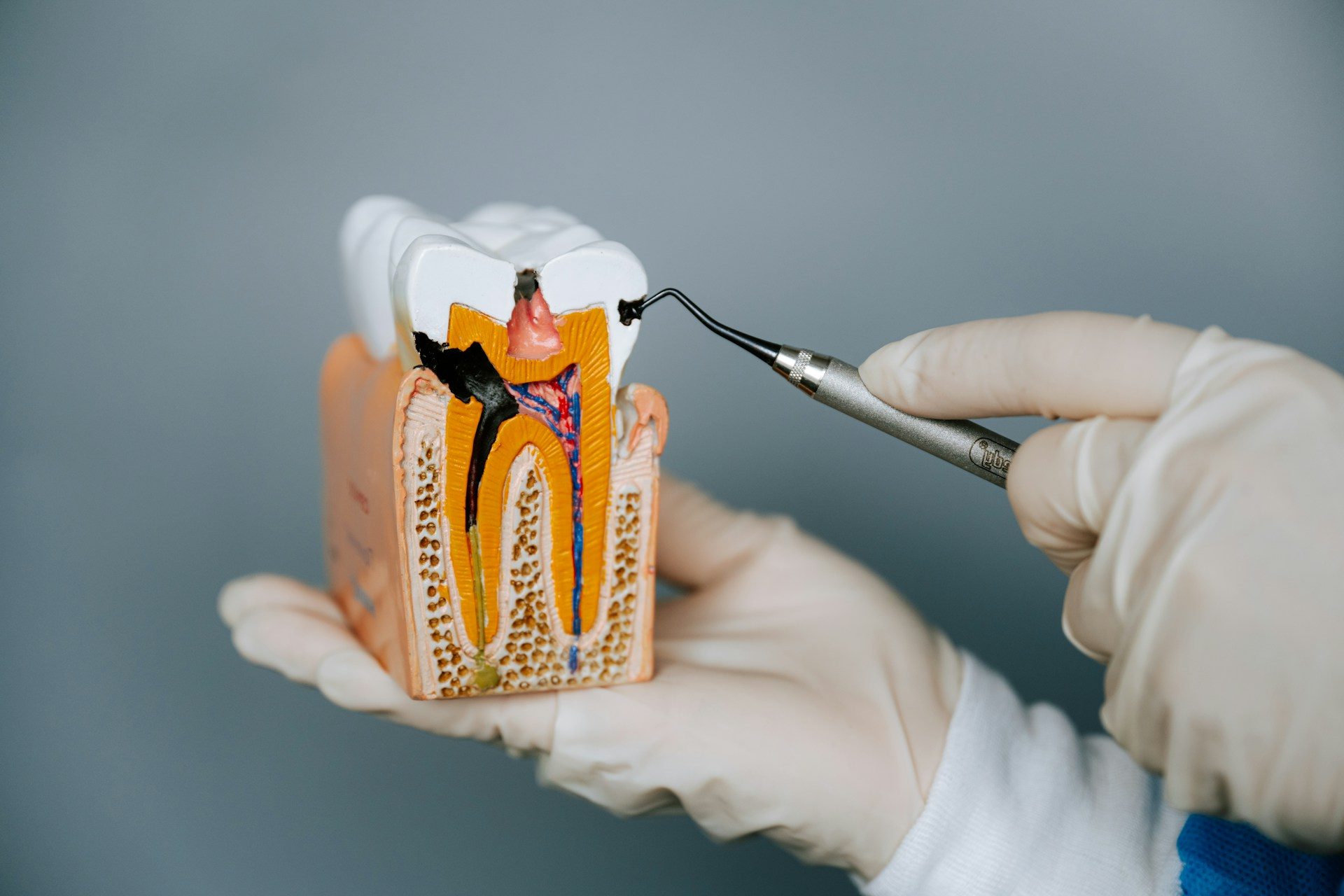
Endodontics: Saving your teeth for good
Welcome to Cabinet dentaire À Thônex
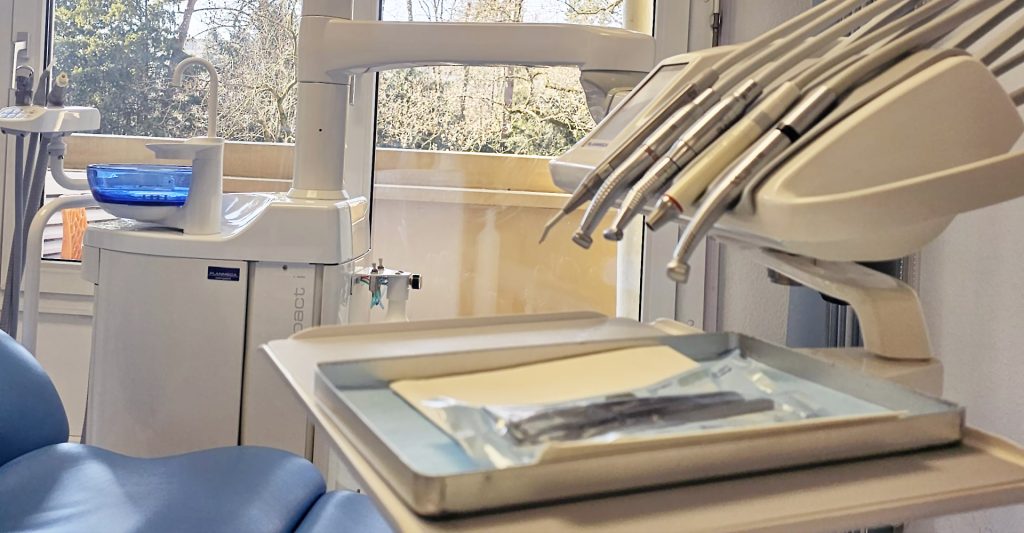
For a radiant smile and to take your mind off your dental worries, come to the Cabinet dentaire in Thônex, where you'll be at the center of our concerns. Our practice is modern and equipped with the latest technology to perform all the usual dental treatments, and you'll receive a warm welcome. For a radiant smile and to take your mind off your dental worries, come to the Cabinet dentaire in Thônex, where you'll be at the center of our concerns. Our practice is modern and equipped with the latest technology to carry out all the usual dental treatments, where you'll receive a warm welcome.

Welcome to Cabinet dentaire À Thônex
For a radiant smile and to take your mind off your dental worries, come to the Cabinet dentaire in Thônex, where you'll be at the center of our concerns. Our practice is modern and equipped with the latest technology to perform all the usual dental treatments, and you'll receive a warm welcome. For a radiant smile and to take your mind off your dental worries, come to the Cabinet dentaire in Thônex, where you'll be at the center of our concerns. Our practice is modern and equipped with the latest technology to carry out all the usual dental treatments, where you'll receive a warm welcome.
When is endodontic treatment necessary?
Root canal treatment is often the last step in saving a severely damaged or infected tooth. When the dental pulp (the soft tissue inside the tooth) is affected by deep decay, fracture or an old, defective filling, it’s essential to act quickly. Thanks to modern techniques, this treatment is now precise, comfortable and effective.
When to consult?
- Persistent or pulsating pain, often unbearable.
- Temperature sensitivity (hot or cold).
- Tooth discoloration or swelling of gum tissue.
- Visible infection or abscess formation.
If you experience any of these symptoms, don’t delay. Prompt treatment greatly increases the chances of saving your tooth.
Why do teeth get infected?
Inflammation or infection of the pulp may be caused by:
- Deep caries: An untreated cavity that reaches the pulp.
- Trauma: A fracture or crack allows bacteria to penetrate.
- Faulty fillings or old crowns: Restorations that leave gaps for bacteria.
- Periodontitis: In some cases, this gum disease can spread to the roots of teeth.
If left untreated, the infection can spread beyond the tooth, affecting bone tissue and causing serious complications.
How does a root canal treatment work?
- Precise diagnosis:
Thanks to 3D Radiology and oral scanning, we can analyze teeth and canals in detail. - Deep cleaning:
State-of-the-art endodontic motors remove infected pulp with maximum precision. - Advanced disinfection:
Soft laser treatment sterilizes the canals to eliminate all bacteria. - Durable filling:
Filling with a biocompatible material ensures a watertight seal and prevents re-infection. - Final restoration:
We use a dental filling, composite or ceramic inlay or onlay to restore the smile’s aesthetics and functionality.
Why choose our firm?
Our technologies and expertise make all the difference:
3D Radiology: Precise vision for personalized treatment.
Dental microscope: Increased precision to treat even complex canals.
Laser treatment: Efficient, modern sterilization.
Modern endodontic motors: Thorough, safe cleaning.
Biocompatible materials: Guaranteed longevity and safety.
Lasting results, even in complex cases
With years of experience in root canal treatment, we treat even the most difficult cases, including extensive infections and hard-to-reach canals. Our priority is to preserve your tooth, while ensuring comfortable and effective treatment.
Make an appointment with us
Make an appointment with Dr. Yasen Nizamaldi for a treatment combining state-of-the-art technology and expertise. Contact us today to protect your dental health!
FAQ: Everything you need to know about root canal therapy and endodontics
Is root canal treatment painful?
Is root canal treatment painful?
It’s a frequently asked question, and the answer is reassuring: thanks to modern technology and the latest anesthetics, root canal treatment today is virtually painless. If pain was present before the procedure (due to infection or inflammation), it generally disappears as soon as the infected pulp is removed. Our priority is to ensure your comfort throughout the treatment.
How long does a root canal treatment last?
How long does a root canal treatment last?
The duration depends on the complexity of the case:
- For a single tooth (such as an incisor): treatment can be completed in a session lasting around 1-2 hours.
- For a molar (several canals): this may require 2 or 3 sessions.
Thanks to tools such as the dental microscope and 3D radiology, we reduce the time required while ensuring maximum precision.
Is my root canal guaranteed for life?
Is my root canal guaranteed for life?
Although a root canal is designed to last, several factors can influence its longevity:
- Good oral hygiene is essential to avoid new infections.
- Final restorations (such as crowns or fillings) must be properly fitted and maintained.
- In some cases, if initial treatment has failed to eliminate all infection, endodontic retreatment may be necessary.
We use modern techniques and biocompatible materials to maximize the durability of the treatment.
Why do I need a crown after root canal treatment?
Why do I need a crown after root canal treatment?
After root canal treatment, the tooth may become more fragile, as much of its internal structure has been removed. A dental crown:
- Protects teeth against fractures.
- Restores natural function and appearance. In some cases, if the loss of substance is moderate, a composite or ceramic inlay or onlay can be used as an alternative.
What alternatives are there to root canal treatment?
What alternatives are there to root canal treatment?
The only alternative is to extract the tooth. However, losing a tooth can have long-term consequences:
- Displacement of adjacent teeth.
- Bone resorption in the jaw.
- Need a prosthetic solution (implant, bridge).
Root canal treatment is always preferred, as it preserves the natural tooth.
How can you detect an infection after a root canal?
How can you detect an infection after a root canal?
It’s rare for an infection to persist after proper treatment, but certain signs may indicate a problem:
- Persistent pain or sensitivity.
- Swelling around the treated tooth.
- Sensation of pressure or discomfort.
When in doubt, a prompt consultation is essential. With tools like the oral scanner, we can identify and treat these complications effectively.
Can I eat normally after a root canal?
Can I eat normally after a root canal?
It is advisable to wait until the effect of the anaesthetic has worn off before eating. Then eat:
- Avoid chewing on the treated tooth side until the final restoration (crown or filling) has been placed.
- Once the tooth has been restored, you can resume normal chewing.
Do the technologies used really make a difference?
Do the technologies used really make a difference?
Absolutely. In our practice, we use state-of-the-art technology to ensure precise and effective treatment. The dental microscope enables us to visualize even the finest canals, offering exceptional precision. Soft laser treatment ensures advanced disinfection, increasing the chances of successful treatment.
Thanks to 3D radiology, we can make precise diagnoses and draw up detailed planning tailored to each individual patient. Last but not least, modern endodontic motors ensure thorough cleaning of the canals, eliminating any infection and preserving the tooth for the long term. Together, these innovations enable us to treat your teeth with unrivalled efficiency, while maximizing your comfort.
What care is needed after a root canal?
What care is needed after a root canal?
After root canal treatment, it’s essential to maintain good oral hygiene, brushing regularly and flossing to remove food residues from between the teeth. It’s also important to have regular check-ups with your dentist to monitor the condition of the restored tooth and prevent any complications.
Finally, it is advisable to avoid chewing very hard foods on the side of the treated tooth to preserve its durability. By following these recommendations, your treated tooth can remain healthy and functional for many years, even a lifetime.